The more, the merrier. At least when it comes to sales in the industry. One of the basic ways of expanding to broader audiences and selling more copies is to create a port of your title. After all, it means expanding to new markets and allowing thousands of people to give your creation a shot. In this article, I’ll talk about how to make your game appealing to publishers and easy to be released for various platforms.
By the way, as a part of our networking services, Heaps Agency can provide you with contacts to some people who’d certainly love to work with you on your project. Send an e-mail to jakub@heapsagency.com and let’s have a talk about it!
The title is appealing
While it shouldn’t come as a surprise, your game should be of high quality and have an outstanding visual style. While it would make for a good, albeit very general piece of advice, it’s more or less a mantra at this point:
Set your game apart from the others. Make its looks, quality and marketability as great as you can.
In the context of porting, there are two reasons to deliver a great title:
- If you see enough copies, you’ll have more funds to deliver a port without a 3rd party approaching or a lot of biz-dev to do.
- Possible partners like publishers and porting houses will be more likely to approach you with offers of delivering your game to other systems.
The UI/UX needs to be well-designed and easily adaptable
Some games don’t need an awful lot of work to be ported. This mostly applies to titles that either are simple to play or use a gamepad. The UI plays a huge role in that.
Let’s look at some examples of a design made with easy porting in mind:
- Skyrim – while the PC players weren’t the biggest fans of the character development and items menu interface, it was made with console players in mind and performed there pretty well; also, as Skyrim has literal thousands of mods available, there are some like SkyUI which made better use of the mouse and keyboard combo. And the UI’s good enough to entertain the 3rd generation of console players (so far).
- Doom 2016 and Doom Eternal – there aren’t many menus and the weapon choice wheel allowed for fluid and simple changing of weapons. The wheel worked especially well for consoles, but it was very good at doing its job on PCs as well. Many games, including even some mobile titles, adapted this UI element and certainly enhanced their UX thanks to it.
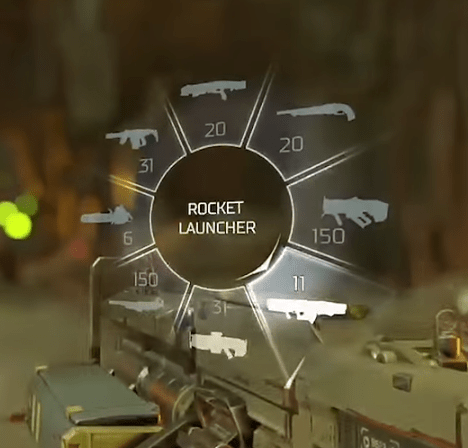
So, having a port-proof or easily adaptable UI/UX really can make or break a player’s experience with a title. There’s also another thing with this aspect of development. UI/UX designers are a separate set of graphic designers and they are often reimbursed well. This means they are on the one hand expensive and hard to replace on the other. So, the less you need to engage them, the better it will be for your budget.
There must be a market
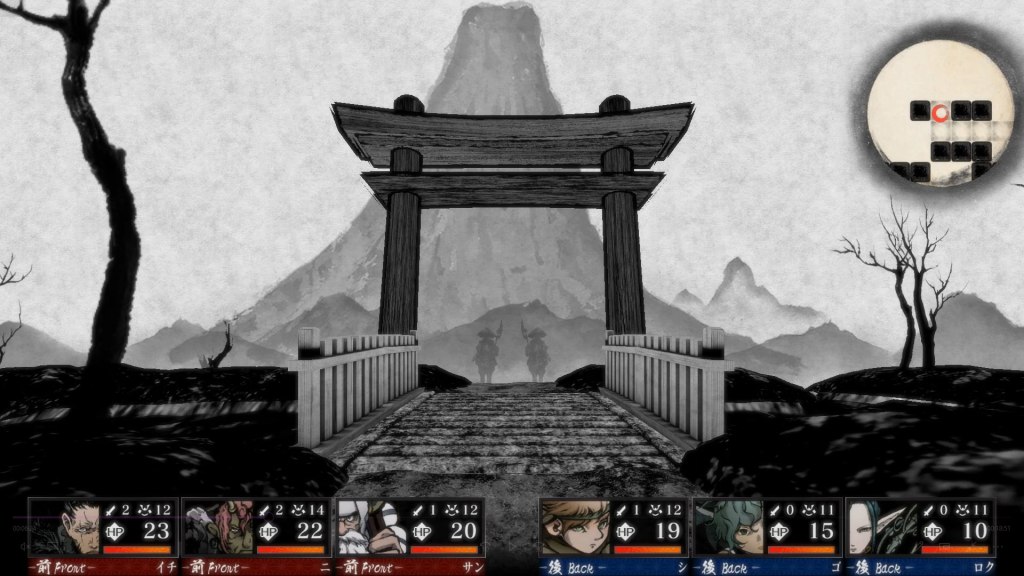
Some platforms are better than others when it comes to the availability of titles (and player expectations). This should be done in the beginning stages of designing the game, but some ports simply make more sense than others. Releasing a PS5 port of a fighting game originally from the PC and the Switch is probably a decent idea. Likewise, releasing a niche JRPG that did ok on the Switch is most likely a waste of time, effort and money. On the other hand, though, there is a proven market for such titles on other platforms, so you may consider that.
The game must be in a good technical state
It pains me that the Switch lags behind the current consoles so much. Because of this, I’m more or less forced to wait for PC (or cloud) releases of some upcoming titles (and have been in that position for a long time).
The technology is constantly advancing and the games change with it. Unfortunately, it means that some games simply won’t play on some devices. Metaphor ReFantazio, an upcoming effort from Atlus, will come to the PC, PS5 and XSX/S. It was a good business decision to omit the Switch, as the game would be either changed too much from the original or would suffer from the lack of polish, content and general bugs.
We all remember how much bad press the PS4 and XB1 releases of Cyberpunk 2077 generated. Or there was also this awful port of Doom back on 3DO – a game so bad it had the higher resolutions locked behind a cheat code. And Doom is a masterpiece in most of its forms.

The engine must be right
While I mentioned the fact that RPG Maker games aren’t the easiest to port, this applies to many engines. To keep it short, if your game won’t be made in Unity, UE or maybe Godot, it either has to:
- Be outstanding to have it considered to be ported in spite of the cost.
- Have its source code shared with a 3rd party (and it will still be more expensive than a simpler port).
- Be ported via the in-house means.
So, unless completely necessary or secured by some other means, it’d be best to make the game in either Unity, UE or maybe Godot if you don’t want to have a very hard time when making different versions of the title. Note that some games are easier to port on certain platforms – RPG Maker titles on mobile devices aren’t unheard of, for example, so it may depend on the case.
Conclusion
I hope this short article helped you with expanding your scope on what a game needs to be ported easily and be appealing to your stakeholders. What are your bits of know-how on delivering a title that is made good for porting? Share them in the comments below!
—
Thanks for reading. If you need any video games marketing requests, drop us a message at jakub@heapsagency.com. Cheers!
 Heaps Agency