RPG Maker is an awesome engine. Some cult titles like OFF, LISA: The Painful, To The Moon, Peret Em Heru, Ara Fell or Fear & Hunger 1 and 2 were made. It’s well known since the 90s when it was first released in Japan. Its purpose was to grant the possibility for all people to easily make their RPG game, usually in the style of early Dragon Quest games. You know, turn-based combat, an overworld, a levelling system and all other staples of old JRPGs. The engine got many plugins over the years and it has granted tremendous possibilities, compared to what it used to be. As RPG Maker is also easy to use, it makes for a great first dive into the world of learning game, level and combat design.
Still, all these accolades don’t necessarily mean much in the world of video games, especially on the business end of it. RPG Maker games are often overlooked by distributors and publishers. Today, we’ll talk about 3 reasons why this is a case and why using Unity, Unreal Engine or Godot would probably be a better choice if you want your game to sell well and have it widely available.
The first reason – the looks
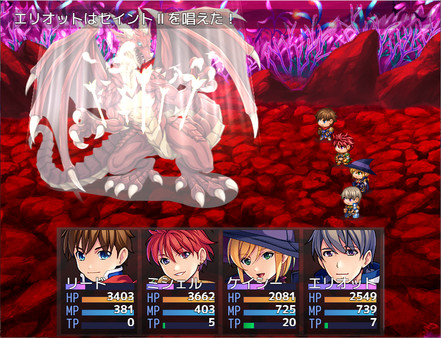
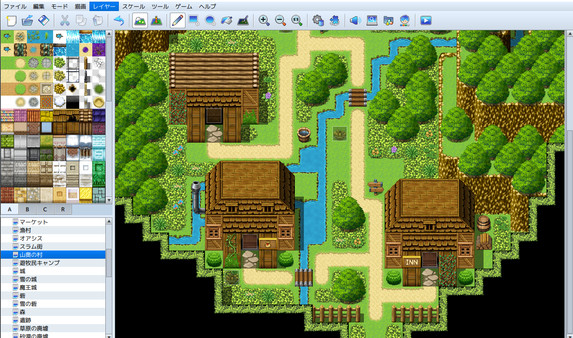
While the 16-bit era of gaming gave us tons of great RPGs, like Final Fantasy V, Ys IV or Bahamut Lagoon, time goes on. And RPG Maker games often try to emulate the look and sometimes the feel of these old titles. The developers can use tile packs, which we could compare to texture packs – sets of graphical assets that will be placed in the game as terrain, NPCs, enemies, character portraits and so on. This also applies to fonts, music, et cetera.
A huge part of these tile packs tends to try and emulate the style from the old golden era of JRPGs back in the 90s. While they often look decently, they started being generic over time. And being generic means that you don’t have anything to set yourself apart from the competition at first glance.
You may say, that you have “a great story, fun characters, more than 50 hours of gameplay, a phenomenal combat system”, but it ultimately won’t matter much. Most will likely not be interested in any of that, because they will see a game that looks old and generic.
How to combat that? There are two ways to avoid this on the product level.
The first one
Don’t use pre-made assets. Hire a graphic designer, contract a composer and figure out the unique identity and look of your game. Look at Fear & Hunger. While it bears strong resemblances, at least on the surface level, to old RPGs when it comes to the mechanics, combat and mobility, the graphic style, bleakness, nerve-wracking music and sound effects set the game apart from other RPG Maker titles and hook the player, allowing them to delve deeper into the psychological horrors that await you in the dungeon. Even the soundtrack, sometimes played on out-of-tune instruments, amplifies the unique identity the game has. Check out the track called Prelude To Darkness.

On the other hand, we have titles like To The Moon which took totally different stylistic choices, however, opted for the idea of their own unique identity. And it paid off well.
The second one
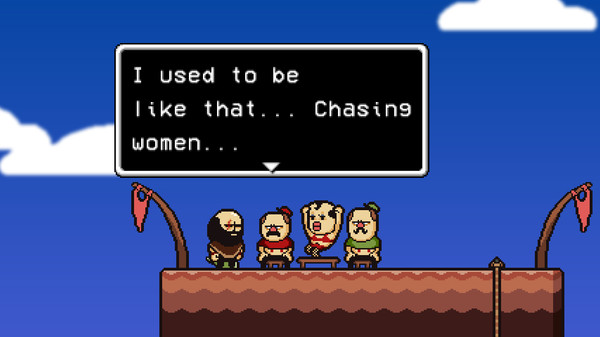
Use technical solutions to make your game play different from other RPG Maker games. Let’s look at LISA: The Painful. It seems more like a Metroidvania rather than an oldschool JRPG and I was absolutely blown away when I found out it had been made in the RPG Maker engine. Alter A.I.L.A. Genesis is another title that doesn’t follow the top-down formula. There are also some first-person dungeon crawlers made in the engine and this genre is so rarely represented, it makes sense to have a game like that, as it would certainly catch an eye of a, more or less, starved community, effectively making it into a long-seller, a game that will allow you to have a steady stream of income over the years.
Ok, as we have the looks out of the way, let’s move on to the second reason.
The second reason – the assumptions
People like to assume things. Not a huge surprise here. We operate on data and there’s this one model of behaviour that is worth looking into. It’s called homo economicus and it represents a person that always makes the most sensible decisions. The person is able to make them because the person has unlimited access to true and valid information – effectively having infinite and accurate knowledge.
This isn’t the case in our daily lives. We often have to operate on a partial set of information and need to make our choices using lacking data. Of course, this can be mended by researching the topic. Time, though, is a limited resource for us, so we need to make another choice – spend enough time to properly look into the topic, not take any action in the case of the topic or take an action with information that may not be accurate. The inaccurate information often translates to assumptions.
RPG Maker’s ease of use is both a blessing and a curse. It’s phenomenal as the first gaming engine to learn and you, me, your child and your grandma could all make a simple game in a matter of hours. Many people have done that. However, being good at something demands time and knowledge. A staggering amount of people who have made an RPG Maker game lack these. This means that it’s quite easy to stumble upon a lacking title. Looking at how huge the RPG Maker dev community is, the risk is significantly higher than in most cases. Frankly speaking, there are some communities where this is an issue and this one isn’t unique in this regard.
This causes people to assume that RPG Maker games are of low quality compared to, say, their Unity or Unreal Engine counterparts. While in a big part true, there are great games made in this engine and such an assumption applied to them is not true. It hurts the sales in the most unfair way.
However. this assumption is only a part of a bigger cause-and-effect chain. If the games are bad, then few people want to play them. If few people want to play them, the demand is low. If the demand is low, sales are low. If the sales are low, then it’s hard to turn these games into viable products on the market. And what isn’t viable on the market, doesn’t grasp the attention of publishers.
All of these are assumptions. Often true, but assumptions nevertheless. The third reason has to do with devs, though, and it is a reality.
The third reason – the porting
The current landscape of gaming is simple. There are the games made with Unity, the games made with Unreal Engine and then there’s the rest. By the rest, we can qualify proprietary engines, Godot, Game Maker, tons of other engines and of course, RPG Maker. Some of these engines allow for making games for a vast array of platforms. Windows, Linux, new and old consoles, Android and iOS devices – these are the most important.
Porting in some cases is simple. If you have your interface well adapted for both mouse and keyboard and gamepad use, it theoretically can be as easy as choosing how you want to compile the game. Of course, it’s way more complicated than this in almost all cases, but it could be done. RPG Maker kind of allows for that, for PC and mobile platforms. It doesn’t do that for the consoles, though. And it’s a big deal.
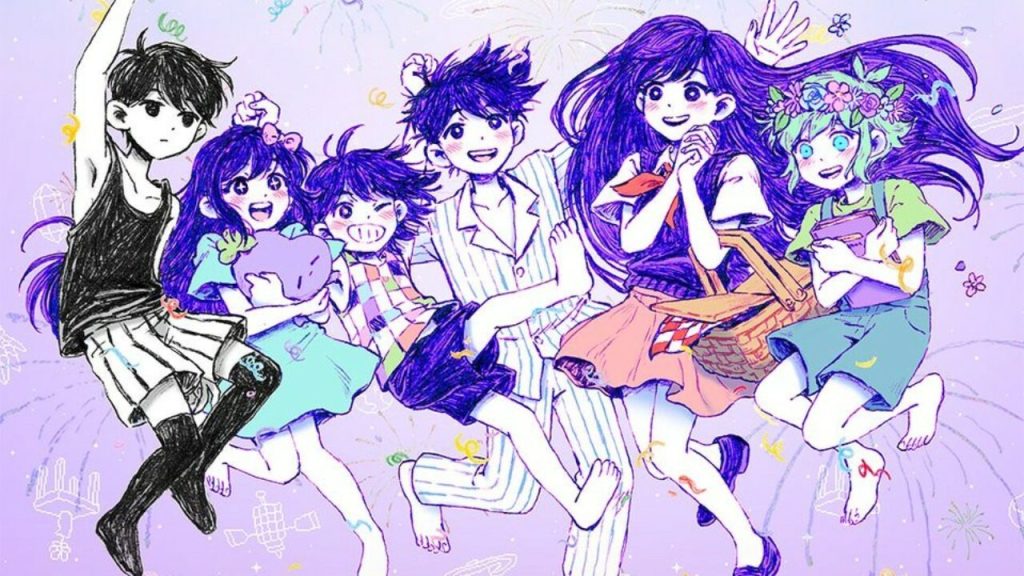
It is possible to make an RPG Maker work on, say, the Switch. Ara Fell, Omori and To The Moon are obvious examples of that. Many porting studios, though, will straight up decline an offer of porting an RPG Maker game to consoles. As the process is way more complicated than in the case of Unity and Unreal Engine games, the cost of porting could also be higher and they’d probably need highly specialized staff who aren’t often seen on the job market. All of this for a game that will most likely not sell great, at least according to the aforementioned assumptions.
How to make an RPG Maker work on consoles? There are 3 main ways. The first one usually means building an “overlay” of sorts that will allow the RPG Maker to be played and interpreted on the console. The second one is to have the game play as a web app or in a cloud, but it demands a constant internet connection. The third way is to remake the game from scratch with another engine. All of these are quite complicated tasks and not many companies would decide to go with them – both as the game owners and the porting studios.
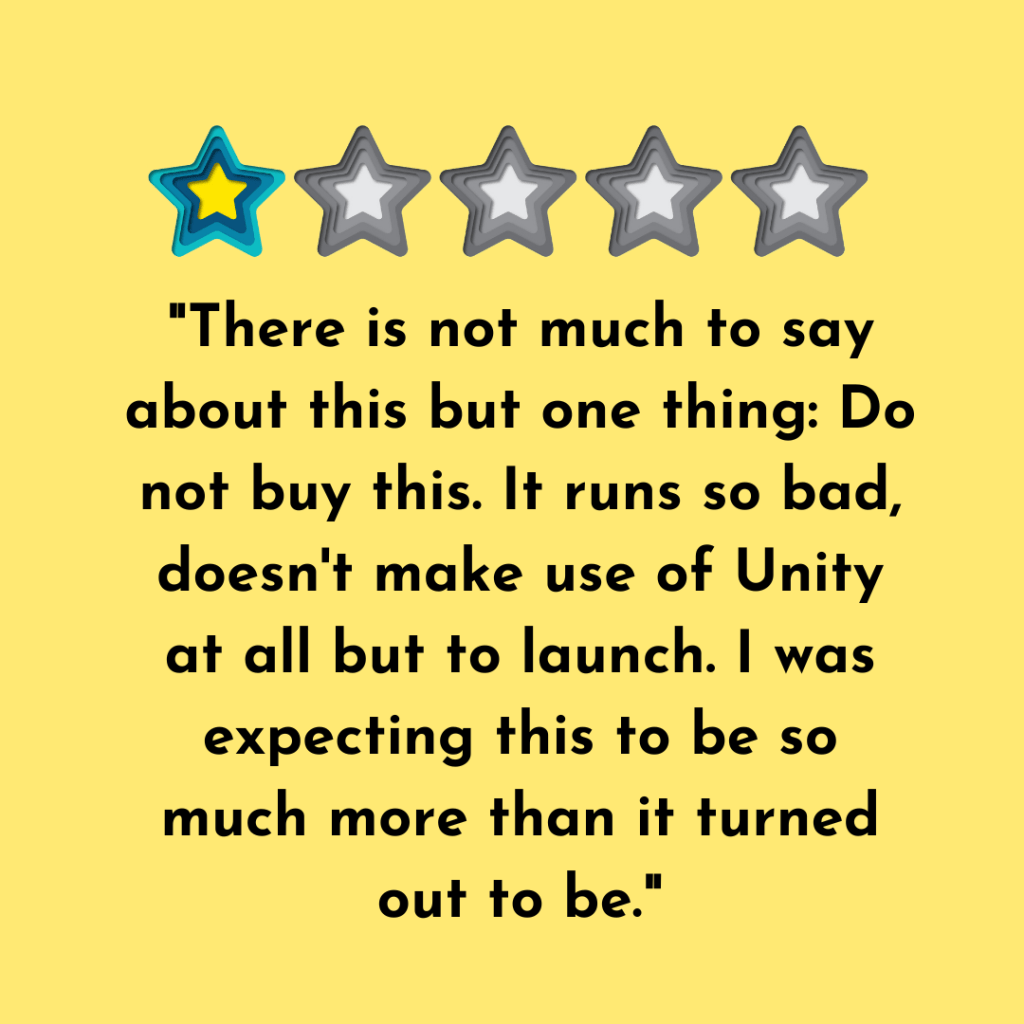
I also need to add that RPG Make Unite, the latest release in the series, has been made as a Unity plugin. This could theoretically mean that porting games to consoles could be done easier. However, the plugin currently is rated 2/5 stars and people report problems with having their projects ported to consoles, So, while this is an interesting prospect for the future, it doesn’t seem to be viable, effective or even fully operational at this point in time.
Conclusion
Let’s turn it all upside down. For the entire clip, I was talking about why the games made with RPG Maker are a hard sell. So, let’s talk about what to do to have your game sell well.
Firstly, make the game appealing to your audience with its looks and identity.
Secondly, don’t make it into a generic experience.
Thirdly, you’d be best off using a different engine. It can be harder to use, but the payoff is going to be exponentially higher – both in terms of reception of the game and cooperation with other industry subjects. You can also use RPG Maker Unite, but it wasn’t received well, so it’s a prospect for the future rather than an option.
And the last, most important thing, which hasn’t been mentioned yet – your game really needs to be great, so focus on that!
It is possible to make an awesome title in the engine and to sell many copies of such a game. It’s just harder than usual and there are more hoops to jump in terms of technicalities – at least at this point in time (early July 2023).
Thanks for reading to the end. Hope you found this clip to be useful and learned something. If you’d like to have your game marketed, whether it’s an RPG Maker title or something else, we can surely cooperate on that. Here’s the link to the other part of my website which talks about the service the agency can provide.
 Heaps Agency